Image & video · Flux, Midjourney, SDXL · 6 min read
Director's optics: lenses, lighting rigs and film stocks in your prompt
Real camera language beats "cinematic". Four rigs that break the AI look, with the exact prompt lines.
"Cinematic" means nothing
Image models learned from photos that carry real camera traits. When you name the gear and the light, you pull the image toward those photos instead of the average glossy render. One rig per prompt works better than stacking five.
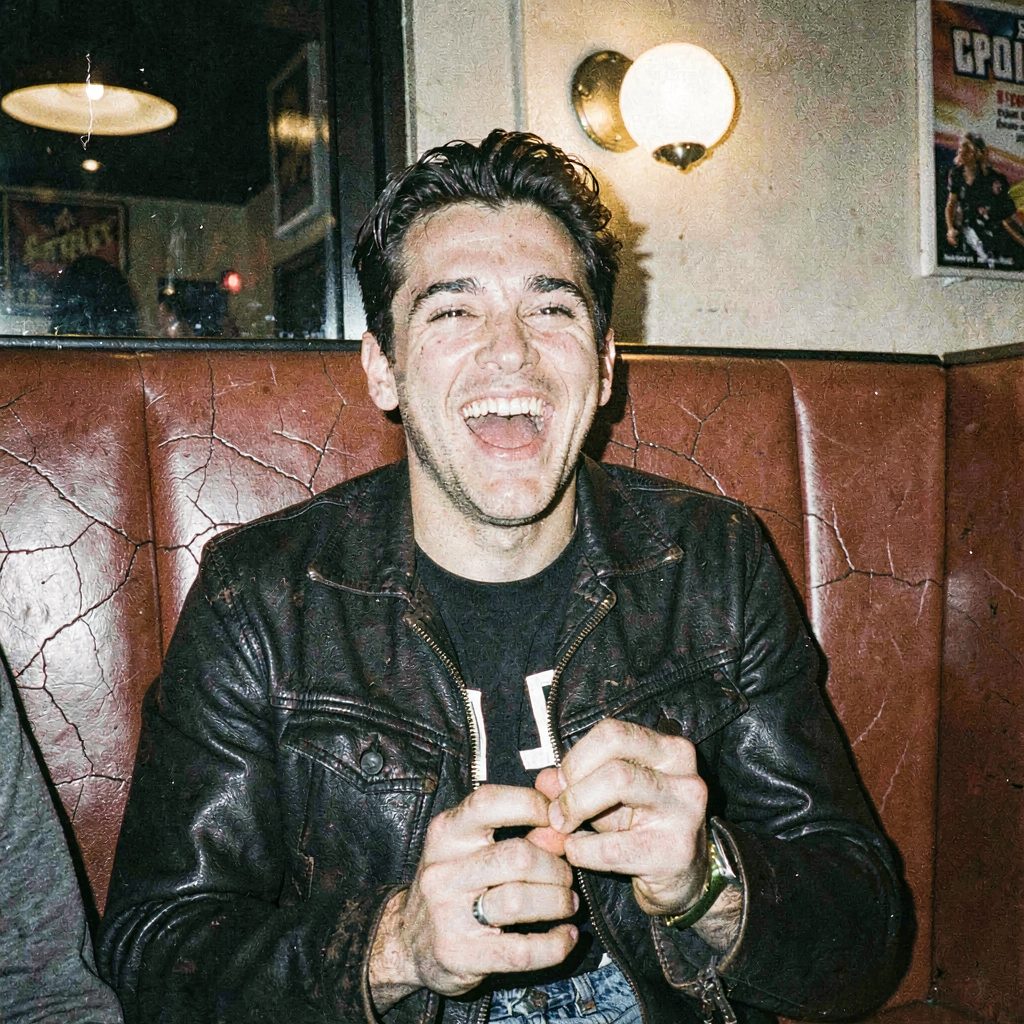
90s direct flash
On-camera flash gives flat faces, a hard shadow behind the subject and a dark background. It is the fastest way to make an image read as a real snapshot.
Candid 1990s snapshot of a [man laughing in a diner booth], compact point-and-shoot with direct on-camera flash, hard shadow behind him, slight overexposure on the forehead, scanned 35mm negative grain.
Anamorphic lens
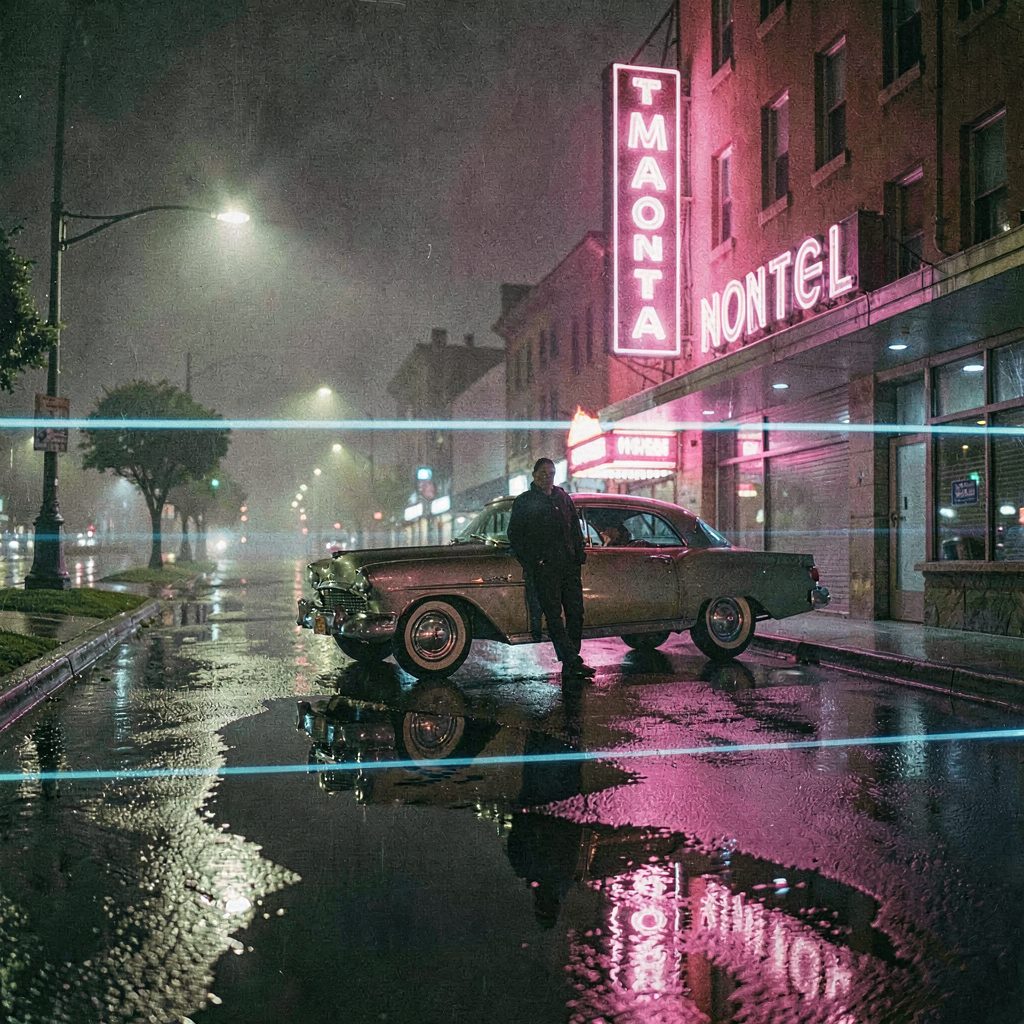
Anamorphic glass adds horizontal flares, oval bokeh and a wide 2.39:1 frame. Add rain so the neon has something to reflect in.
Beauty dish, black and white
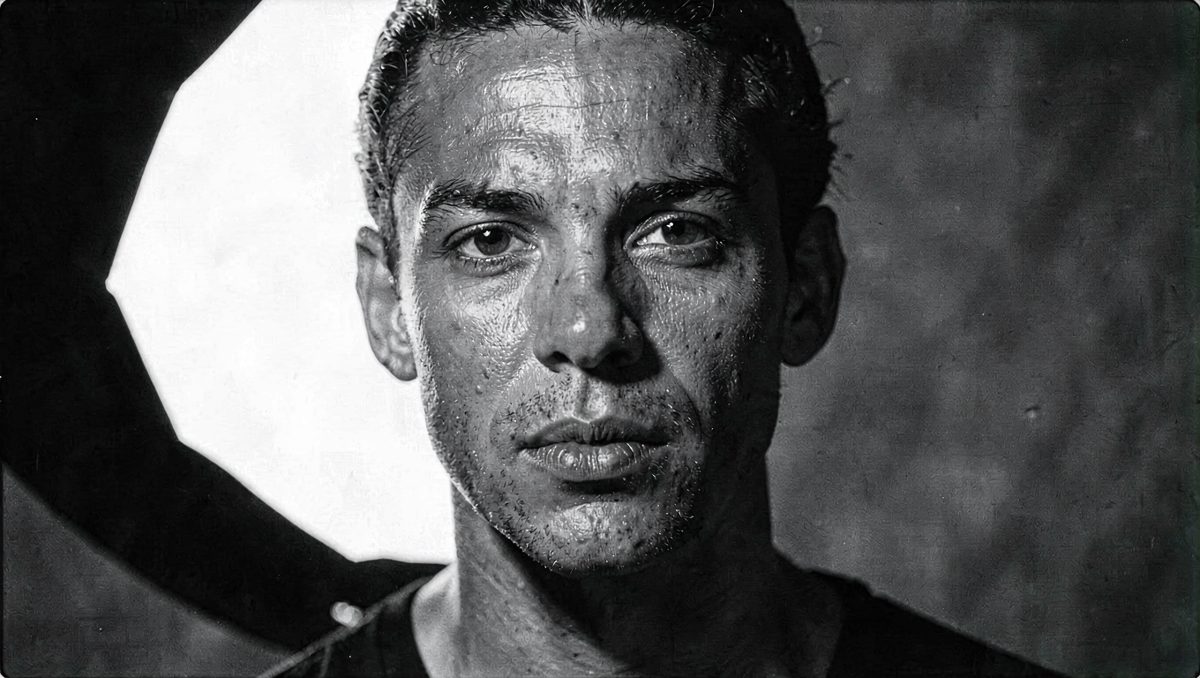
A single silver beauty dish gives crisp highlights and fast falloff. Ask for pores and sweat so the model does not smooth the skin.
Film stock and flare
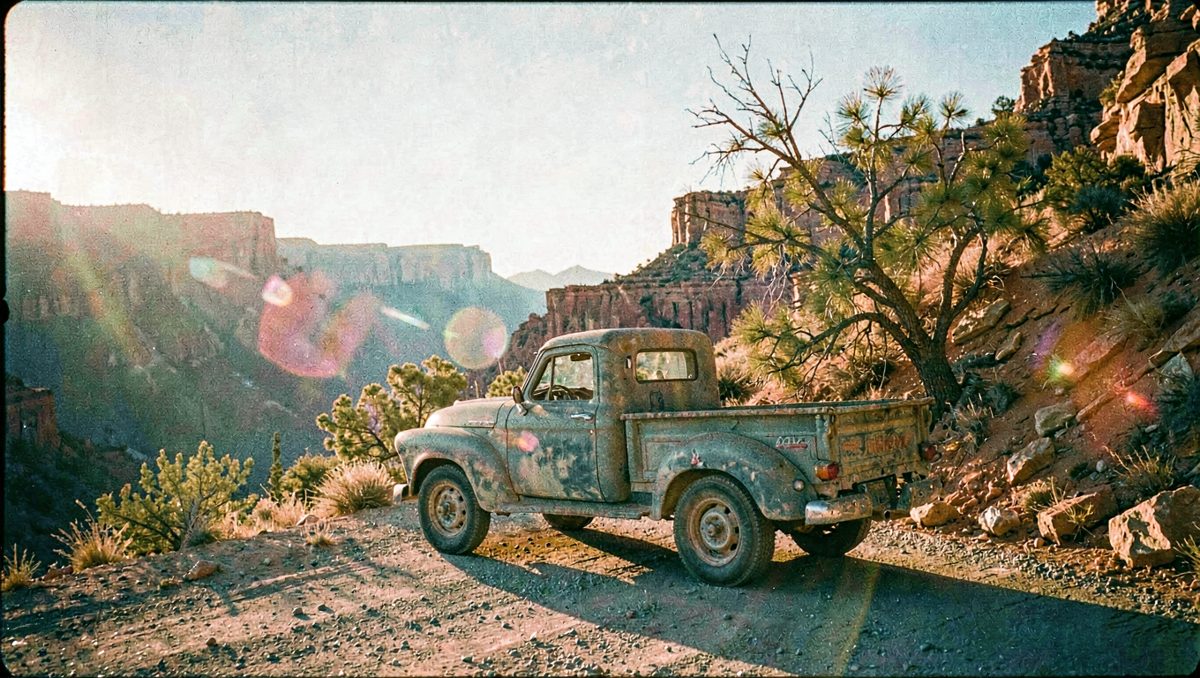
Naming a film like Kodachrome sets color, contrast and grain in one word. Add a sun just out of frame for natural flare.
Rig cheat sheet
Copy one line into any image prompt.
Direct flash: point-and-shoot, on-camera flash, hard shadow, 35mm grain
Anamorphic: 40mm anamorphic, 2.39:1, horizontal flare, oval bokeh
Beauty dish: single silver beauty dish, high camera-left, deep falloff
Film look: Kodachrome 64 / Portra 400 / Tri-X, visible grain
Honest limit
These lines control light and texture, not identity. The same person will not look the same across shots from text alone; for that you need a reference image or a trained model.
Know a trick other creators should learn?