Image & video · Flux, Midjourney, Kling, Runway, Veo · 5 min read
Killing the wax-figure look: realistic faces for people and animals
Stop writing emotions. Describe muscles, light and flaws instead, so faces in AI images and video read as alive, not plastic.
Why faces look plastic
Words like "photorealistic", "8k", "beautiful" and "happy" pull the model toward its most average, most retouched face: smooth skin, perfect symmetry, a frozen smile. Realism lives in the opposite direction: small asymmetry, texture and believable light. You have to ask for the flaws.
Layer 1: skin and optics
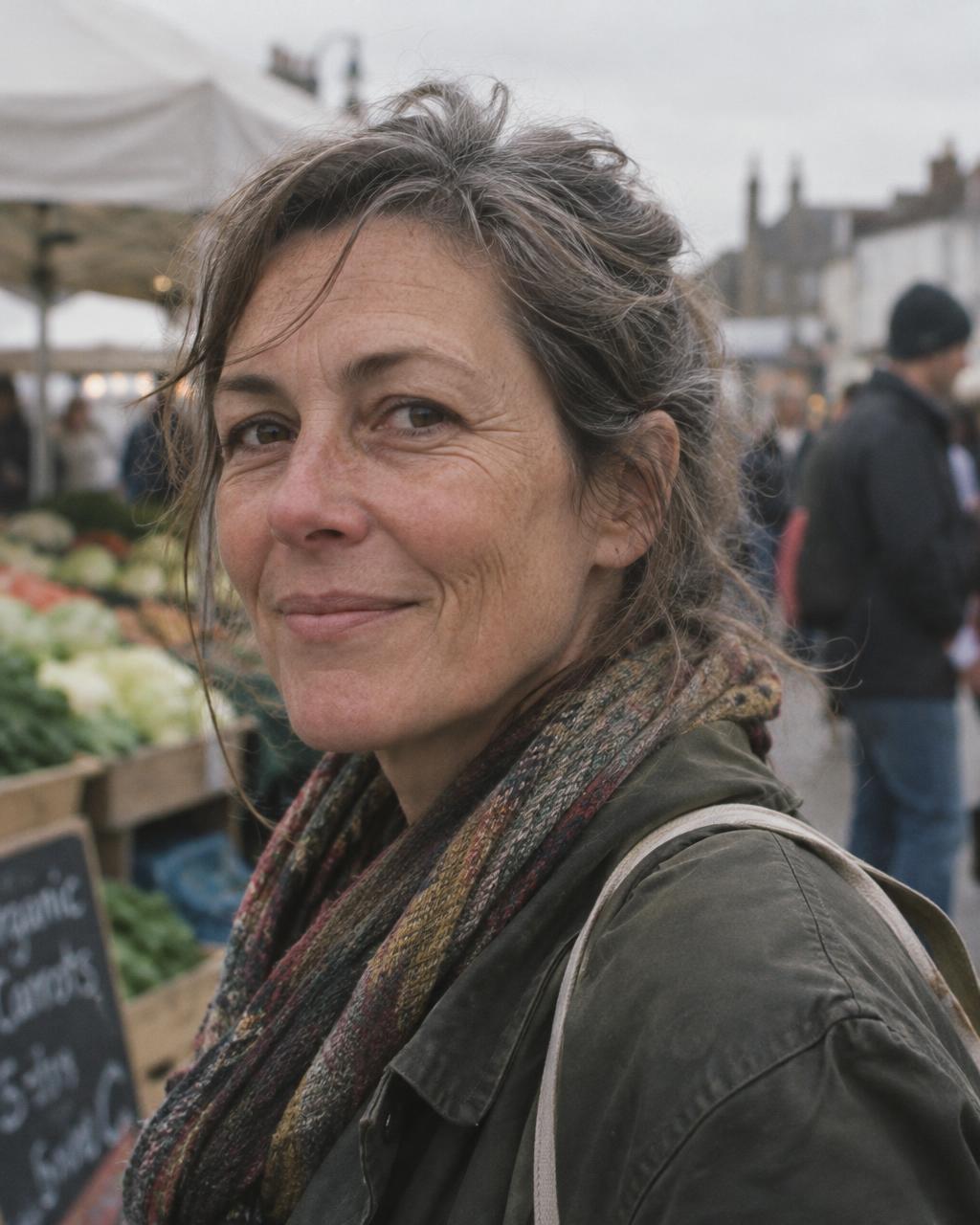
Name real camera choices and real skin. One light source, a focal length, visible pores and fine hair. Drop "perfect", "flawless" and "8k" completely.
Editorial close-up, 85mm, f/2, single soft window light from camera left, one catchlight per eye. Visible pores, fine peach fuzz, uneven natural skin tone, faint crow's feet, a few stray hairs. Film color, no retouching.
Layer 2: describe muscles, not emotions
"Sad" gives you a stock pout. Describe what the face is physically doing instead. Asymmetry is the secret: real expressions are never mirrored.
Instead of: happy woman smiling
Write: left corner of the mouth lifted slightly more than the right, cheeks barely raised, eyes softened with small creases, lips closed.

Instead of: worried
Write: inner brows pulled up and together, jaw tight, gaze dropped just below the lens.
Animals: anatomy and behavior beat cuteness
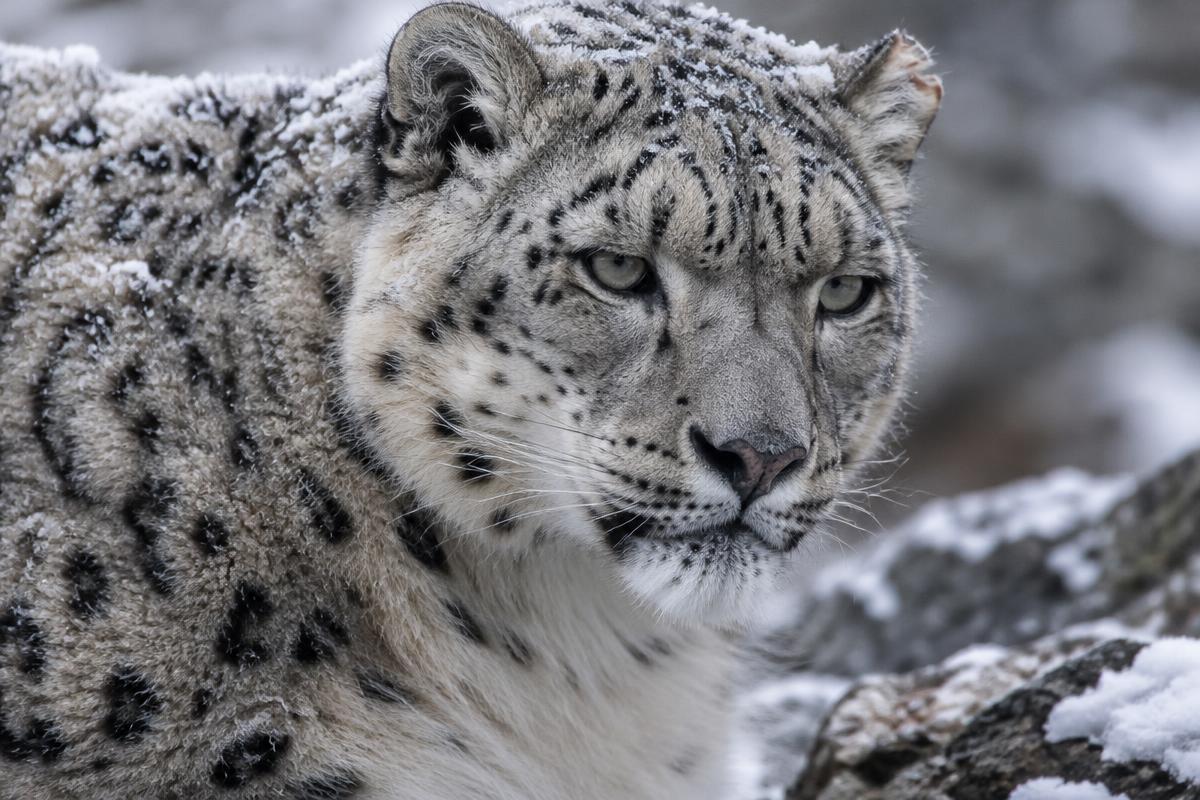
Animals turn cartoonish when you prompt cute or majestic. Prompt the details a wildlife photographer would notice: ear angle, whisker roots, fur clumping, an old scar, and a long lens.
Wildlife close-up of an old snow leopard, eyes slightly narrowed and focused just off camera, ears angled forward, whiskers with visible roots, fur tufts dusted with snow, small healed nick on one ear. Overcast light, 400mm telephoto, natural grain.
Layer 3: motion for video (Kling, Runway, Veo)
A still face in a video looks dead; too much motion makes it melt. Start from a strong still (image-to-video), write one small physical beat, and add involuntary micro-motion. Keep the camera slow.
Slow push-in. The subject breathes slowly, blinks once naturally, eyes shift briefly to the left then back to the lens, the smile grows slightly on the left side. Keep face, hair and clothing unchanged. Single continuous shot, no cuts.
Quick checklist before you hit generate
Removed: 8k, flawless, perfect, beautiful, emotion words. Added: one light source, a lens, two skin or fur flaws, one asymmetric muscle cue, and for video one blink or breath plus one slow camera move.
Know a trick other creators should learn?